Fire Safety Signs indicate the location or direction to Fire Safety related facilities and Fire Safety Equipment.
Are you aware of the regulations governing fire signs and, as such, which signs are required in your environment?
As a business owner, you are responsible for the safety of your employees and customers. This includes making sure that your building is up to code and that all fire safety regulations are being followed. Part of this is ensuring that your fire signs are up to date and meet the Australian Standard 1319.
Australian Standard 1319 specifies that Fire Safety Signs include fire signs advising the location of fire alarms and fire-fighting facilities.
Understanding the Different Classes of AS 1319 Fire Signs
When it comes to fire safety, there are different types of AS 1319 fire signs that are used to indicate the level of risk. Here is a guide to understanding the different classes of fire signs:
Class A: These signs are used to indicate the presence of a fire hazard. They are usually red in color and have a white background.
Class B: These signs are used to indicate the presence of a flammable liquid or gas. They are usually yellow in color and have a black background.
Class C: These signs are used to indicate the presence of an electrical hazard. They are usually white in color and have a red background.
Class D: These signs are used to indicate the presence of a combustible metal. They are usually blue in color and have a white background.
Class E: These signs are used to indicate the presence of a fire in a Rodgers or other type of enclosed space. They are usually green in color and have a white background.
Fire Safety is important in any workplace or environment. By understanding the different classes of AS 1319 fire signs, you can be sure that you are taking the necessary precautions to keep yourself and others safe.
Mandatory Requirements for the Use of AS 1319 Fire Signs
AS 1319 is the Australian Standard for fire signs. It contains requirements for the design, materials, manufacture and installation of fire signs.
Fire signs are an important part of any fire safety system. They provide information about the location of fire exits and other fire safety equipment, and help people to evacuate a building in an emergency.
There are four main types of AS 1319 fire signs:
1. Mandatory signs
Mandatory signs must be used to indicate the location of fire exits and other fire safety equipment. They must also be used to indicate the direction of travel to the nearest exit.
2. Prohibition signs
Prohibition signs must be used to indicate the location of fire hazards. They must also be used to prohibit the use of dangerous materials and methods in the vicinity of a fire.
3. Warning signs
Warning signs must be used to warn people of the dangers of fire. They must also be used to indicate the location of firefighting equipment.
4. Emergency information signs
Emergency information signs must be used to provide information about what to do in the event of a fire. They must also be used to indicate the location of first aid equipment.
AS 1319 fire signs must be made from materials that are durable and flame-resistant. They must be legible and visible from a distance.
AS 1319 fire signs must be installed in accordance with the manufacturer’s instructions. They must be securely fixed in place and located in areas where they will be seen by people who are evacuating a building in an emergency.
There are a few key things to keep in mind when deciding where to place fire signs. First and foremost, they should be placed in an area that is visible to everyone in the building. This means they should be placed high up on walls, near exits, and in other key locations. Secondly, they should be placed in an area that is not obstructed by furniture or other objects. This ensures that people will be able to see the signs and react accordingly.
Another important consideration is the type of fire sign you are using. Australian Standard 1319 fire signs come in two main types: those that are intended for indoor use, and those that are intended for outdoor use. Indoor signs should be made of materials that won’t catch fire easily, such as metal or glass. Outdoor signs, on the other hand, need to be made of materials that can withstand exposure to the elements.
Finally, it’s important to make sure that your fire signs are up to date. This means regularly checking them for damage and making sure that they conform to the latest standards. By following these guidelines, you can ensure that your fire signs are effective and help keep people safe in the event of a fire.
Check Your Compliance with AS 1319 Requirements
Fire signs are a critical part of any compliance with AS 1319. They help ensure that occupants of a building are aware of the risks of fire and the locations of fire exits and other safety features. Fire signs must be legible, easily visible and placed in accordance with Australian Standard 1319.
There are four main types of fire signs that are required by AS 1319:
– Fire exit signs – Fire action signs – Fire extinguisher signs – Fire hose reel signs
Fire exit signs must be placed near every fire exit and should indicate the direction of travel to the nearest exit. They should also be illuminated so that they can be seen in smoke-filled environments.
Fire action signs must be placed in strategic locations throughout the building and should provide occupants with instructions on what to do in the event of a fire.
Fire extinguisher signs must be placed next to all fire extinguishers. They should indicate the type of fire that each extinguisher is suitable for and provide instructions on how to use the extinguisher correctly.
Fire hose reel signs must be placed next to all fire hose reels. They should provide instructions on how to use the hose reel correctly.
It is important to check your compliance with AS 1319 regularly to ensure that all fire safety signage is up-to-date and compliant. This includes checking that all signs are legible, visible and correctly positioned. If you find that any of your fire safety signage does not meet these requirements, you should replace it as soon as possible.
Other Fire Safety Measures
There are many other fire safety measures that can be taken to help prevent and prepare for a fire. Some of these measures include:
– Ensuring all electrical appliances and cords are in good working order and are not overloaded – Regularly cleaning lint filters on clothes dryers – Never leaving candles or other open flames unattended – Having a fire plan and practicing it with your family – Keeping a fire extinguisher in an easily accessible location – Keeping flammable and combustible liquids away from heat sources – Never using the stovetop or oven to heat your home
These are just a few of the many measures that can be taken to help prevent a fire from starting, or to help you be prepared in the event that a fire does occur. Australian Standard 1319 fire signs can also be a helpful tool in identifying potential fire hazards. By being aware of the potential risks and taking steps to reduce them, you can help keep your home and family safe from fire.
Maintaining Your Fire Signs
Do you have a commercial or industrial premises? Do you have fire signs that are compliant with Australian Standard 1319?
If you do, then you need to make sure that you maintain your fire signs. This includes regularly checking them to make sure they are still visible and legible, and replacing them if they are not.
Fire signs play a vital role in the event of a fire. They help to guide people to safety and identify the best evacuation routes.
It is important to ensure that your fire signs are compliant with Australian Standard 1319. This includes making sure they are the correct size, shape, colour and font.
If you are unsure whether your fire signs are compliant, then you should contact a professional signage company for advice.
Once you have your fire signs, you need to regularly check them to make sure they are still in good condition. If they are damaged or faded, then they need to be replaced.
It is also important to regularly check the batteries in your fire signs. If the batteries are flat, then the signs will not be able to illuminate in the event of a power outage.
If you follow these simple tips, then you can be confident that your fire signs will be effective in the event of an emergency.
Purchasing Fire Signs that Meet AS 1319 Standards
When it comes to purchasing fire signs, it is important to make sure that they meet AS 1319 standards. This Australian Standard provides guidance on the design, performance and installation of fire signs, and helps to ensure that they are fit for purpose.
There are a number of different types of fire signs that can be used, and the right type will depend on the specific needs of your premises. However, all fire signs should be legible, visible and easily understood by all who see them. They should also be made from durable materials that can withstand the heat and smoke of a fire.
When choosing fire signs, it is also important to consider the location in which they will be installed. They should be placed in conspicuous positions that are easily seen and accessed by everyone. It is also important to make sure that they are not obstructed by furniture or other objects.
Once you have selected the right fire signs for your premises, it is important to have them installed by a professional. They should be attached to walls or doors using fixings that are appropriate for the material they are made from. They should also be tested to ensure that they are fit for purpose and meet AS 1319 standards.
Contact Safetyman – Professional Fire Sign Manufacturers for Advice
If you’re thinking of installing fire signs, or if you’re not sure if your existing signs are up to the job, get in touch with Safetyman on 1300 781 288 for advice. They’ll be able to assess your needs and make sure that you’ve got the right signs for your building.
AS 1319-1994 – Fire Signage Australian Standards
AS 1319-1994 standard for industrial warning signs sets out requirements for the design and use of safety signs intended for usein the occupations environment to regulate and control safety related behavior, to warn of hazards and to provide emergency information including fire protection information.
Fire safety signs are designed to warn staff and visitors of any fire hazards, to provide an instruction or to give safety information.
It is vital to provide clear and concise instructions about the actions to take in the case of a fire.
Safetyman helps ensure that businesses are complying to the Australian fire standards, the various building codes including electrical and signage.
There are various legislations which are designed to help prevent fire hazards and fire safety provisions that protect the building and occupants within the property.
Safety Sign Classification and Use
With regard to the Australian Safety Sign Standard AS 1319-1994, Safety signs are classified and must be used according to their function as follows:
(a)Regulatory Signs – Signs containing instructions with which failure to comply constitutes either an offence at law,or a breach of standing orders, safety procedures or other directions, depending on which kind of control has been imposed at the work site or workplace. They are subdivided as follows:
(i) Prohibition Signs – Signs that indicate that an action or activity is not permitted. (ii) Mandatory Signs – Signs that indicate that an instruction must be carried out. (iii) Limitation or Restriction Signs – Signs that place a numerical or other defined limit on an activity or use of a facility.
(b)Hazard Signs – Signs advising of hazards. They are subdivided as follows: (i) Danger Signs – Signs warning of a particular hazard or hazardous condition that is likely to be lifethreatening.
(ii) Warning Signs – Signs warning of a hazard or hazardous condition that is not likely to be lifethreatening.
NOTE: The term caution used in earlier editions of this Standard has now been replaced by the term warning. The two terms are regarded as being interchangeable.
(c) Emergency Information Signs – Signs indicating the location of, or directions to, emergency related facilities such as exits, safety equipment, or first aid facilities.
Please Call us on 1300 781 288 OR Complete our Inquiry Form.
Safety Construction Signs are crucial
The primary importance of displaying Construction Safety Signs is to prevent injury and ensure staff and visitors are well aware of the possible dangers and hazards ahead in certain situations and/or environments. Without the right construction signs, many employees would lack the necessary direction in times of crisis, and employers might find themselves in significant legal difficulties if any accidents were to arise as a result.
By ensuring the workplace is sufficiently well signed, you can help protect your staff and visitors to the construction site, particularly members of the public, against the possible dangers that may be unnoticed – leading to less industrial accidents and reduced risk to employees and passerby’s.
At Safetyman we have the widest range of signs for construction sites for you to choose from to ensure you can create a safe, well identified site. Our range of Safety Signs are designed to meet Australian Standard 1319 which outlines specific parameters for safety signs in an occupational environment.
Types of Safety Signs Used in Construction Sites
Construction work is a high-risk activity. It is important that all workers on a construction site are aware of the potential hazards and know what to do to stay safe.
One of the best ways to keep workers safe on a construction site is to use safety signs. Safety signs are a simple and effective way to communicate important safety information to workers.
There are many different types of safety signs used on construction sites. Some of the most common safety signs are described below.
Australian Standard 1319
The Australian Standard for safety signs is AS1319. This Standard sets out the requirements for the design, manufacture and installation of safety signs.
All safety signs on a construction site must comply with AS1319. This includes signs that are used to warn workers of hazards, instruct workers on what to do in an emergency, and provide other important safety information.
Warning Signs
Warning signs are used to warn workers of hazards on a construction site. Warning signs must be used whenever there is a risk of injury, death or serious illness.
Warning signs must be eye-catching and easy to understand. They must also be placed in a location where they will be seen by workers.
Emergency Exit Signs
Emergency exit signs are used to indicate the location of emergency exits on a construction site. Emergency exit signs must be clearly visible and easy to understand.
Fire Exit Signs
Fire exit signs are used to indicate the location of fire exits on a construction site. Fire exit signs must be clearly visible and easy to understand.
First Aid Signs
First aid signs are used to indicate the location of first aid facilities on a construction site. First aid signs must be clearly visible and easy to understand.
Construction sites are inherently dangerous places. There are many potential hazards that workers are exposed to on a daily basis, including falling objects, electrical hazards, and slip and fall risks. In order to help keep workers safe, it is important for construction sites to have a variety of safety signs posted throughout the work area.
One of the most important types of safety signs on construction sites are those that warn workers of potential hazards. These hazard warning signs should be prominently displayed in areas where there are potential risks so that workers can take the necessary precautions. Some common hazard warning signs used on construction sites include “Danger”, “Caution”, and “Warning” signs.
In addition to hazard warning signs, construction sites should also have a variety of other types of safety signs posted throughout the work area. These signs can provide information on everything from first aid and emergency procedures to fire exits and evacuation routes. Other important safety signs on construction sites include “No Smoking” signs, “Wear Personal Protective Equipment” signs, and “Keep Out” signs.
By having a variety of safety signs posted throughout the construction site, workers will be made aware of potential hazards and will know what to do in case of an emergency. These signs play an important role in helping to keep workers safe and preventing accidents on construction sites.
One of the most common construction safety signs is the “Caution” sign. This sign is used to warn people of a potential hazard ahead. It is important to pay attention to this sign and be cautious when approaching the area.
Another common sign is the “Detour” sign. This sign is used to warn people that there is a change in the normal path ahead. This could be due to construction work or a potential hazard. It is important to follow the detour sign and not try to go around it.
The “Stop” sign is also a common construction safety sign. This sign is used to warn people that they need to stop before proceeding. This is usually due to construction work ahead or a potential hazard. It is important to obey this sign and stop before proceeding.
Construction Signs Prevent Injury and Ensure Staff Safety !
Without safety signs for construction sites, many employees would lack the necessary direction in times of crisis and employers may find themselves in significant legal difficulties if any accidents were to arise as a result.
AS 1319:1994 is an Australian standard that outlines the need to devise and implement safety signs in a work environment to ensure safe workplace behaviour and practices and hazards prevention.
This Standard sets out requirements for the design and use of safety signs intended for use in the occupational environment to regulate and control safety related behaviour, to warn of hazards and to provide emergency information including fire protection information.
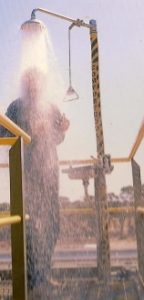
Emergency Safety showers for corrosive and other splashing accidents including the famous Comfortcool for outdoor, sun exposed situations. AS4775 and ANSI Z358.1 compliant.
Compliance with safety shower Australian standards is an absolute priority at Safetyman.
We realize that customers cannot be expected, nor can they afford the time, to be researching the multitude of graphical requirements imposed on industry by Governments and other authorities. We keep ourselves informed so that you don’t have to worry.
The AS4775-2007 Standard
This Standard specifies minimum performance and use requirements for eyewash and shower equipment for the emergency treatment of the eyes or body of a person who has been exposed to materials which may cause injuries. It covers the following types of equipment:
(a) Emergency safety shower equipment. (b) Eyewash equipment. (c) Eye/face wash equipment. (d) Combination shower and eyewash or eye/face wash equipment. (e) Facilities for disabled persons.
It also includes performance and use requirements for the following supplemental equipment:
(i) Drench hoses. (ii) Self-contained (portable) equipment.
Large-scale multispray shower equipment, of the type used in major emergency response or military applications, are outside the scope of this Standard. Where eyewash units are included in combination with such equipment, these eyewash units are within the scope of this Standard.
The objective of this Standard is to provide uniform minimum requirements for equipment performance, installation, use, maintenance and training of users, along with relevant test procedures.
A safety shower is a device that is used to remove harmful materials from the body. It is a combination of a shower and an eye/face wash that is designed to remove hazardous materials from the body. The safety shower is a required piece of equipment in many industries, and there are specific requirements for its installation. This blog will provide an overview of the requirements for safety showers according to AS4775-2007.
A safety shower must be able to deliver a minimum of 20 litres per minute of water for a duration of at least 15 minutes. The water must be at a temperature between 15°C and 38°C. The shower must be located in an area that is easily accessible in the event of an accident. It should be located near the work area, and there should be a clear path to the shower that is free of obstructions.
The safety shower must be equipped with controls that are easy to operate. The controls should be within reach of the user, and they should be clearly marked. There should also be a sign that indicates the location of the safety shower.
It is important to test the safety shower regularly to ensure that it is working properly. The test should include running the water for the required duration and checking the temperature of the water.
What is AS4775?
AS4775 is the Australian Standard for Emergency Eyewash and Shower Equipment. The Standard provides requirements and recommendations for the siting, installation, performance, maintenance and use of emergency eyewash and shower equipment.
Emergency eyewash and shower equipment is designed to provide an immediate supply of water to drench the eyes or body, or both, of a person who has been exposed to hazardous materials. The equipment is usually located within the work area so that it is readily accessible in the event of an emergency.
Emergency eyewash and shower equipment should be used as soon as possible after exposure to a hazardous material. The water will help to flush away the hazardous material and remove any residue that may be left on the skin.
It is important to follow the manufacturer’s instructions for using the equipment. Some eyewash units need to be activated manually, while others are activated automatically. Shower units need to be turned on and the water flow adjusted so that it is not too forceful.
Once the eyewash or shower has been used, it is important to seek medical advice as soon as possible.
Safety Shower Installation Guidelines
AS4775 safety showers are designed to protect workers in hazardous environments. There are several things to consider when installing a safety shower, including the location, water supply, and drainage.
When choosing a location for the safety shower, it is important to consider the proximity to the work area and the type of work being done. The shower should be located in an area that is easily accessible in the event of an emergency. It is also important to make sure that the area around the shower is clear of obstacles so that workers can easily get to the shower in the event of an accident.
The water supply for the safety shower should be adequate to provide the required flow rate for the shower. The water should be at a temperature that is comfortable for workers to use in the event of an accident. It is also important to make sure that the water pressure is adequate to provide the required flow rate for the shower.
The drainage for the safety shower should be able to handle the water flow from the shower. It is important to make sure that the drain is located in an area that is not prone to flooding. The drain should also be able to handle the waste water from the shower without causing any problems.
AS4775 safety showers are an important part of any safety program. Whether you are required by law to have them or not, having a safety shower onsite is always a good idea. But like anything else, safety showers need to be properly maintained and tested on a regular basis to ensure they will work when you need them.
Here are some tips for maintaining and testing your safety showers:
1. Make sure the shower is easily accessible and not blocked by anything.
2. Test the shower monthly to ensure it is working properly.
3. Inspect the shower head and hose for any damage or leaks.
4. Flush the shower monthly to keep the water fresh.
5. Keep the area around the shower clean and free of debris.
6. Have a sign or sticker near the shower that lists the monthly testing and maintenance schedule.
7. Review your safety shower procedures with all employees on a regular basis.
By following these simple tips, you can ensure that your safety shower will be there for you when you need it.
Benefits of Following AS4775 Guidelines
There are many benefits to following the AS4775 safety showers guidelines. By doing so, you can help protect yourself and others from potential injuries. In addition, you can also help to keep the area around the shower clean and free of potential hazards.
One of the biggest benefits of following AS4775 guidelines is that it can help to prevent injuries. By making sure that the shower area is clean and free of potential hazards, you can help to avoid slips, trips and falls. In addition, you can also help to avoid potential burns by making sure that the water temperature is set correctly.
Another benefit of following AS4775 guidelines is that it can help to keep the area around the shower clean. By ensuring that the shower area is free of potential hazards, you can help to reduce the amount of dirt and debris that can accumulate in the area. This can in turn help to prolong the life of the shower and make it easier to clean on a regular basis.
Overall, there are many benefits to following AS4775 guidelines. By doing so, you can help to protect yourself and others from potential injuries. In addition, you can also help to keep the area around the shower clean and free of potential hazards.
Common Safety Shower Questions
When it comes to safety showers, there are a lot of common questions that people have. Here are just a few of the most frequently asked questions about safety showers, along with the answers.
1. What is a safety shower?
A safety shower is a device that is used to remove hazardous materials from the body. They are typically made of stainless steel and have a shower head, a drain, and a seat. Some safety showers also have an emergency eye/face wash.
2. What are they used for?
Safety showers are most commonly used in situations where someone has been exposed to hazardous materials, such as chemicals or radioactive materials. They are also used in situations where someone has been exposed to extreme heat or cold.
3. How do they work?
Safety emergency showers work by using water to remove hazardous materials from the body. The water will help to flush the contaminants away from the skin and eyes, and it will also help to cool the body down if the person has been exposed to extreme heat.
4. What should you do if you need to use a safety shower?
If you find yourself in a situation where you need to use a safety shower, the first thing you should do is remove any clothing or jewelry that may be contaminated. Once you are naked, step into the shower and activate the water. Allow the water to run over your body for at least 15 minutes. If you have an emergency eye/face wash, be sure to use it as well.
5. Are there any special considerations to take into account when using a safety shower?
There are a few things to keep in mind when using a safety shower. First, do not panic. Second, do not try to remove any contaminated clothing while you are in the shower – this could spread the contamination. Third, be sure to avoid getting any water in your mouth, nose, or eyes. Finally, once you have finished showering, be sure to dry off completely and put on clean clothes.
Frequently Asked Questions About AS4775
AS4775 is the Australian Standard for safety showers.
Here are some frequently asked questions about AS4775 safety showers:
1. What is AS4775?
AS4775 is the Australian Standard for safety showers. It outlines the requirements for the design, construction, installation, testing and maintenance of safety showers.
2. Why do we need AS4775 safety showers?
Safety showers are an important part of emergency shower systems. They are used to rinse off hazardous materials that have come into contact with the body.
3. Who needs to use AS4775 safety showers?
Anyone who comes into contact with hazardous materials needs to be able to quickly and easily rinse them off. This includes workers in industrial and laboratory settings, as well as first responders.
4. What are the requirements for AS4775 safety showers?
The requirements for AS4775 safety showers are:
– The shower must be equipped with a drenching showerhead that gives a minimum flow rate of 75 litres per minute. – The shower must be easy to activate, even when the user is wearing gloves. – The shower must have a temperature control device to ensure that the water is not too hot or too cold. – The shower must be properly drained to avoid slip hazards. – The shower must be located in an area that is easily accessible in an emergency. – The shower must be clearly marked with signage that is visible from a distance.
5. How often do AS4775 safety showers need to be tested?
AS4775 safety showers need to be tested at least once a week to ensure that they are in proper working order.
Conclusion
When it comes to safety in the workplace, there are a variety of measures that need to be in place in order to ensure a safe environment. One of these measures is the installation of safety showers. AS4775 showers are designed to provide an immediate drenching of water to a person who has been exposed to hazardous materials. This type of shower is required in many workplaces, such as laboratories, factories, and even some office buildings.
While emergency showers are a vital part of workplace safety, they are not the only measure that needs to be in place. There needs to be a comprehensive safety plan that includes a variety of measures, such as well-trained staff, proper signage, and effective communication. By having a comprehensive safety plan, you can create a safe environment for your employees and customers.
There are many benefits to having critical pipe markers in your facility. Not only do they help you to identify the contents of each pipe, but they also help to improve the safety of your employees. Pipe markers are required by Australian Standards AS1345-1995 and AS1417.1-2002.
Benefits of Australian Standard 1345-1995 Compliant Pipe Markers
There are many benefits to using Australian Standard 1345-1995 compliant pipe markers. For one, they help to ensure that your pipes are properly labeled and identified. This can help to prevent accidents and misunderstandings about what is inside a particular pipe.
Additionally, these markers can help you to quickly and easily locate a specific pipe if you need to perform maintenance or repairs. Additionally, compliant pipe markers can help to increase the overall safety of your workplace by clearly identifying potential hazards.
Finally, using compliant pipe markers can help to improve the overall efficiency of your operations by allowing you to quickly and easily identify the contents of each pipe.
Understanding the Requirements of Australian Standard 1345-1995
If you’re not familiar with Australian Standard 1345-1995, it’s the standard that sets out the requirements for the manufacture, supply and installation of fire sprinkler systems in Australia.
There are three main parts to the standard:
– Part 1: General requirements – Part 2: Installation requirements – Part 3: Maintenance requirements
In this blog, I’ll be focusing on Part 2: Installation requirements.
The requirements in Part 2 are divided into two sections:
– Section 1: System design – Section 2: Installation
In order to comply with the standard, you need to make sure that your sprinkler system is designed and installed in accordance with these sections.
Section 1 sets out the requirements for the system design, including the type of sprinkler system, the water supply, the pipework and the control system.
Section 2 sets out the requirements for the installation of the system, including the placement of the sprinklers, the testing and commissioning of the system, and the ongoing maintenance.
To summarise, the requirements of Australian Standard 1345-1995 are:
– The sprinkler system must be designed and installed in accordance with Sections 1 and 2 of the standard. – The system must be tested and commissioned before it is put into use. – The system must be maintained in accordance with the manufacturer’s instructions.
Why Safetyman Pipe Markers are AS1345-1995 Compliant
Pipe markers are an important part of any piping system. They help identify the contents of the pipe, the direction of flow, and any potential hazards. They also help maintain the flow of product in the event of a pipe break or leak.
Safetyman Pipe Markers are AS1345-1995 compliant, which means they meet the Australian Standard for Chemical Resistance of Thermoplastics. This standard ensures that our pipe markers will withstand harsh chemicals and temperature extremes.
In order to ensure adherence to the requirements of AS1345-1995, it is important to take a few simple steps. First, make sure that all employees who will be working with pipemarkers are properly trained in the use of these devices. Next, familiarize yourself with the requirements of the standard and make sure that your workplace is compliant. Finally, regularl monitor your workplace for compliance and take corrective action if necessary.
Pipemarkers are an important part of any workplace that deals with piping or other similar systems. These devices are used to mark the various components of a piping system so that they can be easily identified. While they are not required by law, many workplaces choose to use them in order to improve safety and efficiency.
AS1345-1995 is the Australian Standard for the Use of Pipemarkers. This standard sets out the minimum requirements for the use of pipemarkers in workplaces. It covers everything from the type of material that should be used for the markers to the size and placement of the markers.
Making sure that your workplace is compliant with AS1345-1995 is important for several reasons. First, it helps to ensure the safety of your employees. Second, it helps to improve the efficiency of your workplace. Finally, it shows that you are committed to complying with all relevant standards and regulations.
There are a few simple steps that you can take to ensure that your workplace is compliant with AS1345-1995. First, make sure that all employees who will be working with pipemarkers are properly trained in the use of these devices. Next, familiarize yourself with the requirements of the standard and make sure that your workplace is compliant. Finally, regular monitor your workplace for compliance and take corrective action if necessary.
By taking these simple steps, you can help to ensure that your workplace is safe, efficient, and compliant with all relevant standards and regulations.
Innovative Self-Adhesive Pipe Markers from Safetyman
If you’re looking for a quick and easy way to label your pipes, then you need to check out Safetyman’s innovative self-adhesive pipe markers! These markers meet Australian Standards 1345-1995 and are perfect for both indoor and outdoor use. They’re also weather resistant, so you don’t have to worry about them fading or peeling over time.
Safetyman’s pipe markers are available in a variety of sizes and colors, so you can find the perfect ones to meet your needs. They’re also easy to apply – just peel and stick! Whether you’re looking to label your home plumbing or you need to mark pipes in a commercial or industrial setting, Safetyman has the perfect solution for you.
So why wait? Order your self-adhesive pipe markers today and make pipe labeling quick and easy!
Please Call Us on 1300 781 288.
Ensuring Quality and Durability with Safetyman Pipe Markers
As a business owner, you want to make sure that your customers are getting the best possible product. This means ensuring that your products are durable and of high quality. One way to do this is by using Safetyman Pipe Markers.
Safetyman Pipe Markers are made to Australian Standards 1345-1995, which means that they are of the highest quality and will last a long time. They are also safe to use, which is important for both you and your customers.
Using Safetyman Pipe Markers is a great way to ensure that your products are of the best quality and will last a long time. This will give you peace of mind and your customers will be happy knowing that they are getting a product that is safe to use and will last them a long time.
Guidelines for Applying AS1345-1995 Compliant Pipe Markers
If you’re looking to add some AS1345-1995 compliant pipe markers to your pipes, there are a few guidelines you’ll need to follow. Here are a few tips to help you get started:
1. Figure out what size markers you need. The size of the marker should be relative to the size of the pipe. For example, a small pipe would need a small marker.
2. Choose the right material. Pipe markers are typically made from vinyl or metal. Each material has its own benefits and drawbacks, so choose the one that best suits your needs.
3. Make sure the marker is properly placed. The marker should be placed on the top of the pipe, on the side that is most visible. The bottom of the marker should be at least 150mm from the ground.
4. Use the proper installation method. Depending on the material you choose, you’ll need to use a different installation method. For example, metal markers need to be bolted onto the pipe, while vinyl markers can simply be glued on.
5. Choose the right color. The color of the marker should be based on the contents of the pipe. For example, a pipe carrying hazardous materials would need a different color marker than a pipe carrying potable water.
By following these guidelines, you can be sure that your AS1345-1995 compliant pipe markers will be installed correctly.
Choosing the Right Pipe Markers to Achieve Compliance
Most businesses in Australia need to comply with Australian Standard 1345-1995, which is why it’s important to choose the right pipe markers. There are a few things to consider when choosing pipe markers, such as the type of marker, the size, the colour and the material.
Type of marker: There are two main types of pipe markers – directional and identification. Directional markers are used to indicate the direction of flow, while identification markers are used to identify the contents of the pipe.
Size: The size of the pipe marker should be appropriate for the size of the pipe. For example, a small marker should be used for a small pipe and a large marker should be used for a large pipe.
Colour: The colour of the pipe marker should be chosen so that it is visible and legible. For example, a bright colour should be used for a pipe that is exposed to sunlight, and a dark colour should be used for a pipe that is not exposed to sunlight.
Material: The material of the pipe marker should be chosen so that it is durable and will not fade over time. For example, a UV-resistant marker should be used for a pipe that is exposed to sunlight.
DIY Solutions for AS1345-1995 Compliant Pipe Markers
Are you looking for a way to label your pipes in compliance with Australian Standard 1345-1995? If so, there are a few different options available to you.
One popular option is to use DIY pipe markers. These can be made from a variety of materials, including vinyl, PVC, or metal. There are a few things to keep in mind when creating your own pipe markers, such as making sure the markers are the correct size, using the correct symbols, and including the necessary information.
Another option is to purchase pre-made pipe markers that comply with AS1345-1995. These can be found online or at some hardware stores. Be sure to check the specs of the markers before you purchase them to ensure they will meet your needs.
Whichever route you choose, following the guidelines set forth in Australian Standard 1345-1995 will help to ensure the safety of your workplace.
The Benefits of Investing In AS1345-1995 Compliant Pipe Markers from Safetyman
There are many benefits of investing in AS1345-1995 compliant pipe markers from Safetyman. Here are just a few:
1. AS1345-1995 compliant pipe markers are highly visible, which can help to prevent accidents and injuries.
2. AS1345-1995 compliant pipe markers are durable and long-lasting, so you won’t have to replace them as often.
3. AS1345-1995 compliant pipe markers are easy to install, so you can save time and money on installation costs.
4. AS1345-1995 compliant pipe markers are available in a variety of materials, so you can choose the best option for your needs.
5. AS1345-1995 compliant pipe markers are backed by a warranty, so you can be confident in your investment.
When it comes to safety, there is no substitute for quality. That’s why you should invest in AS1345-1995 compliant pipe markers from Safetyman. We offer the highest quality pipe markers available, and our products are backed by a warranty. So you can be confident that you’re making a wise investment when you choose Safetyman.
Pipe markers are an important part of any safety program, and choosing the right ones can be a challenge. There are many different types and styles of pipe markers available, and it can be difficult to know which ones are right for your facility. But when you choose pipe markers that are compliant with Australian Standard 1345-1995, you can be confident that you’re getting the highest quality products available.
Safetyman is a leading provider of AS1345-1995 compliant pipe markers. Our products are made from the highest quality materials and are backed by a warranty, so you can be confident that you’re making a wise investment when you choose Safetyman.
AS1345-1995 compliant pipe markers are available in a variety of colors and styles, so you can choose the ones that best meet your needs. Whether you’re looking for simple black and white markers or something more elaborate, we have what you’re looking for. And because our products are backed by a warranty, you can be confident that you’re getting the highest quality products available.
So if you’re looking for the highest quality pipe markers available, choose Safetyman. Our AS1345-1995 compliant products are the perfect solution for your safety needs.
Please Call Us on 1300 781 288.
AS 1345-1995 standard
AS 1345-1995 standard for pipe identification was designed to provide plant personnel with a cohesive system for identifying the contents on pipes, conduits and ducts ultimately reducing chances of errors, simplifying the handling of emergencies and minimizing hazards.
The AS 1345-1995 standard provides direction for labeling materials contained in piping systems, including electrical conduits, by means of background colour marking, legend and symbols. AS 1345-1995 establishes which piping, conduit and ducts should be labeled, where labels should be applied and label legend ontent.
In addition, this standard regulates the letter size, marker length, marker colour, and location of markers to be installed.
Pipe markers indicate both the pipe contents and direction of flow. The contents are indicated by text, pictogram(s) and by a standard colour scheme and must contain the following information:
• A word or words indicating the contents of the pipe and, if desired, some especially hazardous aspect of the pipe, e.g. high pressure, high voltage, toxic waste; or both. The words must be in either white or black letters.
• A contrasting border around the colour identification block. The border colour should be white, but may be yellow if a hazard identification patch or band is to be used with the marker.
• A chevron within the border to indicate the direction of flow in a pipe carrying a liquid or gas. One arrow should be removed if flow direction is only one way.
• The background colour and legend colour must be made of clearly legible letters and/or numbers, providing the name or identifier of the material. Colours are used to identify the contents or the hazardous nature of the contents.

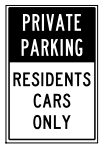 Useful Residential Signs for Strata Managers, Property Managers, Committee Members and owners.
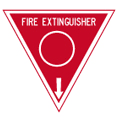
 Are you aware of the regulations governing fire signs and, as such, which signs are required in your environment?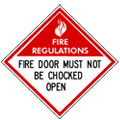
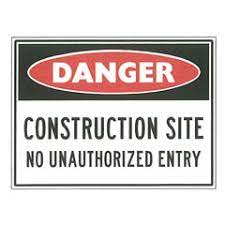 Whether you require an “Under Construction” sign; a Danger “Crane Overhead” Sign or a “Safety Helmets Must be Worn” sign, we have it in stock.
 Please Call us on 1300 781 288
 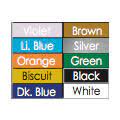 Safetyman is the originator of self adhesive pipe markers in Australia and, all our pipe markers are Australian Standards 1345-1995 compliant.